How Memory Care Supports Emotional Health in Aging Adults
As your loved ones age, they experience cognitive decline, such as Alzheimer’s and dementia, which significantly impacts their emotional health. Missing out on important details, forgetting their daily routine, and struggling to recall some information often leave them frustrated and confused.
Memory care communities are designed not only to cater to the cognitive challenges but also to the emotional needs of your senior loved one. Through purposeful routine, programs, and daily activities, they enhance not only emotional but also overall quality of life for aging adults.
In this article, we will explain how memory care supports the emotional needs of older adults, helping you to make informed decisions for your senior loved one with dementia or Alzheimer’s.
Structured Routine Boosts Confidence And Clarity
Organized routines incorporate a sense of discipline and orientation in seniors living with dementia or Alzheimer’s. Establishing a consistent schedule for meals, activities, and rest, it prevents confusion and fear.
Knowing what and when to do certain things throughout the day provides them with clear expectations. When your aging loved one follows a predictable routine, it improves their focus and stability.
Trained Staff Provide Personalised Care
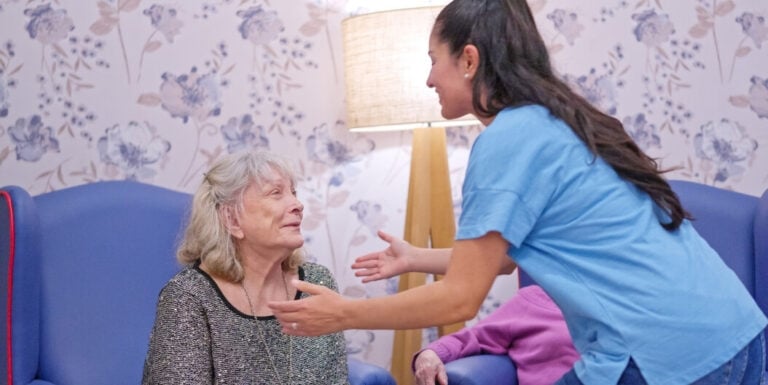
Memory care has trained staff to address the needs of your senior family member. They are equipped to handle the agitation, mood withdrawals, and behaviour changes of the older adults.
Further, they are specialised in therapeutic approaches like cognitive stimulation therapy, social engagement therapy, and redirection to support emotional health.
They identify the triggers, redirect the emotional outrage, and gently support them. This helps them to perform day-to-day activities without the feeling of being judged.
Therapeutic Programs Encourage Mind and Mood Stimulation
Therapeutic programs in memory care boost the positive emotions and keep the residents active. These programs are tailored to the individual abilities and interests to ensure participation of seniors.
Music therapy evokes different areas of the brain, especially those connected with memory. Moreover, group music sessions encourage the shared experience, participation, and singing.
Reminiscence therapy is associated with recalling past experiences to reconnect seniors with who they are. Therapists may ask them to express based on a photograph, music, or familiar objects.
Overall, the goal is to create a safe environment where they can freely express themselves and restore their sense of identity.
Safe Environments Promote Security
A safe and thoughtfully designed environment is important to boost the emotional health of an aging family member. When your loved one feels secure, they will have greater peace of mind and engage in day-to-day activities.
Dim lighting, structured pathway, and calming colour scheme give them a sense of physical security. Moreover, familiar layouts and visual clues prevent a sense of confusion and anxiety.
The sense of being in a safe environment reduces stress and provides emotional stability to your loved senior.
Peer Connection Preserve Sense of Belonging
Peer connection through meaningful activities, group sessions, and shared meals fosters a sense of belonging in seniors. Memory care offers regular activities, dining hall sessions, and programs to promote peer connection.
Having like-minded people build companionship and reinforce emotional bonds. When they feel connected with people having similar experiences, it reminds them they are not alone. By nurturing a sense of belonging, memory care communities help older adults feel valued, connected, and emotionally supported, which is essential for maintaining quality of life.
Family Support Strengthens Emotional Reassurance
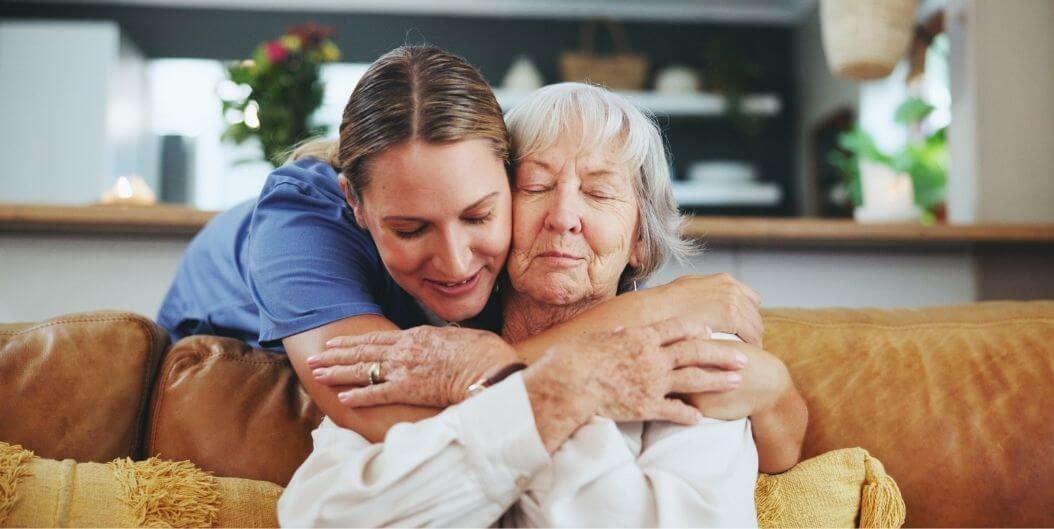
Family support can play an important role in supporting the emotional health of your senior loved one in memory care. Regular visits, familiar voices, and emotional connection make your loved ones feel valuable.
Memory care communities encourage family participation through shared activities, open communication, and care planning involvement. This also helps the memory care staff to understand the family history, emotional triggers, and preferences.
When your aging family member knows they are being loved and assured, it reassures their emotional support.
Help Your Loved One Feel Safe, Seen, and Connected at The Brennity at Daphne Assisted Living & Memory Care
Emotional well-being is just as important as physical health for a loved one living with Alzheimer’s or dementia. Predictable routines, a compassionate care team, meaningful activities, a secure setting, friendships with peers, and steady family involvement all work together to ease confusion and anxiety while helping your loved one feel valued and at peace.
At The Brennity at Daphne Assisted Living & Memory Care in Daphne, Alabama, our Memory Care program is built around individualized care, a secure living environment, and structured activities for engagement and stimulation. Our specialized care team, licensed nurses, and 24-hour on-call assistance help your loved one feel supported every day. Families are part of that experience too, whether sharing a meal in our private dining room or spending a quiet afternoon together on our landscaped grounds near the on-site pond.
We would love to show you how our community supports both the comfort and emotional health of the people who live here. Schedule a personal tour to meet our team, explore our Memory Care neighborhood, and see how we help your loved one feel at home.