What Is The Role of Gentle Persuasion Techniques for Resistant Residents in Memory Care?
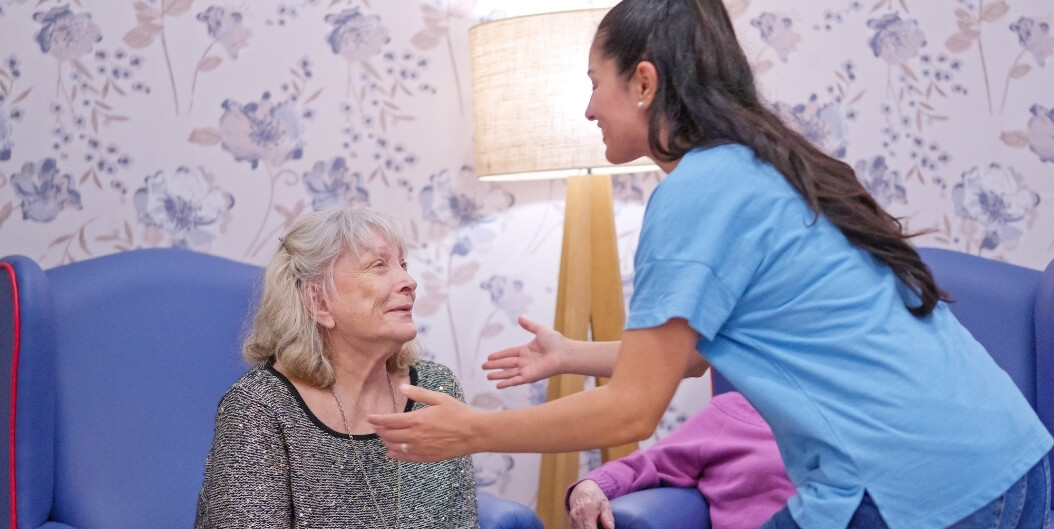
Gentle persuasion techniques can play an important role in helping your loved one with dementia feel calmer, safer, and more cooperative in memory care settings. Instead of forcing or arguing with residents who resist care or activities, caregivers use compassionate communication strategies that reduce stress while preserving dignity and trust.
In these memory care communities, trained caregivers understand that resistance is often a response to confusion, discomfort, fear, or cognitive changes. It is not intentional difficult behavior. As such, gentle persuasion techniques can help your loved one feel more respected and supported by their care team.
Why Do Residents With Dementia Sometimes Resist Care?
Resistance is common if your loved one is living with Alzheimer’s disease and other forms of dementia. Cognitive decline can make everyday tasks feel frightening, confusing, or overwhelming. Your loved one may resist:
- Bathing or dressing assistance
- Medication reminders
- Meals or activities
- Personal care routines
- Moving to unfamiliar spaces
In such cases, your loved one may not fully understand what may be happening or why assistance is needed.
What Are Gentle Persuasion Techniques in Memory Care?
Gentle persuasion techniques are common communication approaches that are used to encourage cooperation for your loved one without creating additional pressure or conflict. Their care staff focuses on reassurance, patience, and emotional understanding instead of correction or confrontation. These techniques typically include:
- Using calm and reassuring language
- Redirecting attention to positive activities
- Offering simple choices instead of commands
- Approaching residents slowly and respectfully
- Validating emotions before providing assistance
The goal is to reduce anxiety while helping your loved one feel more comfortable and secure. This way, they can be able to continue to get the care they receive while being aware of what is going on.
Why Is Arguing or Correcting Usually Ineffective?
If forcing logic or correction on your loved one with dementia happens, it can lead to an increase in frustration and emotional distress. Since dementia affects memory, residents may not process information the same way they once did. As such, arguing can lead to the following:
- Increased agitation or confusion
- Emotional withdrawal or anger
- Fear or mistrust of caregivers
- Greater resistance to care
Memory care staff are trained to use emotional reassurance, not win disagreements. That’s what makes care so compassionate be it with your loved one and others in the memory care community.
How Does Redirection Help During Difficult Moments?
Redirection is common for caregivers when they assist your loved one during difficult moments. Such gentle persuasion techniques are used in memory care in the event of such situations. This way, focusing on the behavior itself is the goal while also giving your loved one attention towards something that is calm or enjoyable.
Examples of redirection may include the following:
- Starting a conversation about a favorite memory
- Offering a snack or beverage
- Suggesting a walk or activity
- Playing familiar music
This approach in particular can help shift focus away from stress or resistance while maintaining a positive interaction.
Why Does Tone of Voice Matter So Much?
Your loved one may respond more strongly to tone and body language rather than to the words exactly being spoken. As such, a calm, warm, and patient tone can help them feel safe even if they are confused. Caregivers are trained to avoid:
- Raising their voice
- Using complicated explanations
- Speaking too quickly
- Sounding frustrated or rushed
Gentle communication can create a more comforting and cooperative environment for your loved one. They can respond with ease and be able to remain calm. Caregivers are specially trained to use specific tones of voice to help your loved one be persuaded and reassured.
How Does Routine Support Cooperation in Memory Care?
Structured routines are important for your loved one. Familiar schedules can help reduce that uncertainty and create a greater sense of comfort. Such routines include the following:
- Regular meal times
- Predictable caregiving schedules
- Familiar daily activities
- Consistent sleep and wake times
Your loved one knows what to expect and they may feel less anxious and more willing to participate in regular care.
Does Your Loved One Need Compassionate Memory Care That’s Personalized and Supportive? The Brennity at Daphne Is The Right Place
At The Brennity at Daphne, we believe that compassionate memory care for your loved one should be personalized and supportive. At the same time, we know that gentle persuasion can be useful in making sure that every bit of treatment is a success. For more information or to set up a tour, get in contact with us today.